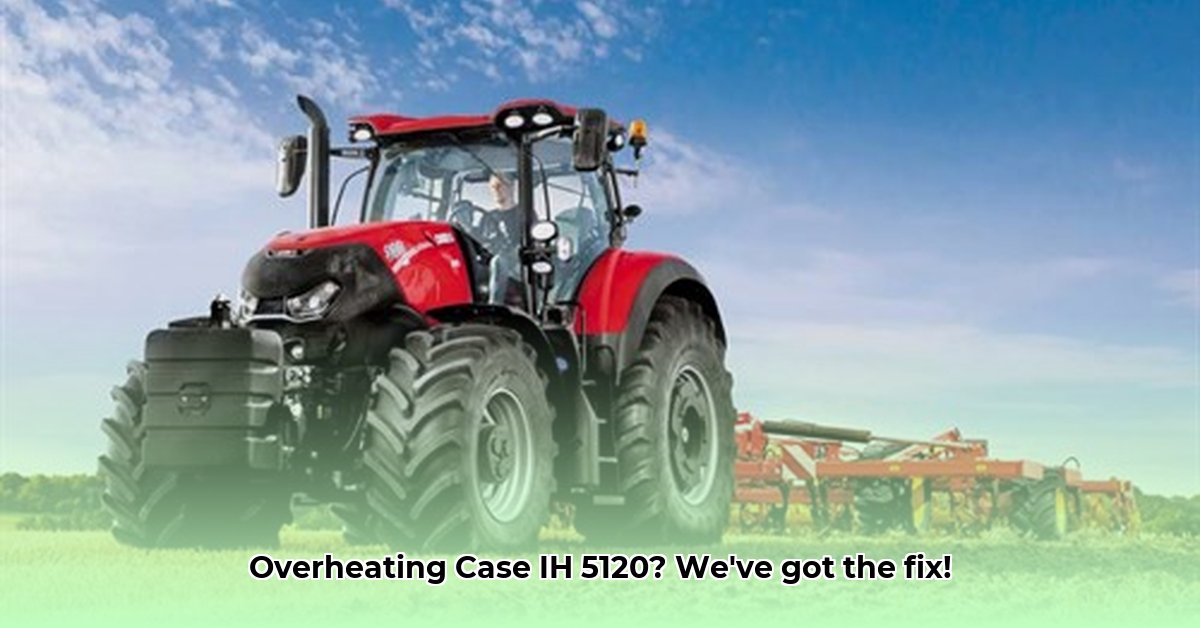
Case IH 5120 Overheating: Troubleshooting and Solutions
Is your Case IH 5120 tractor overheating? This comprehensive guide provides step-by-step instructions to diagnose and fix the problem, helping you get your tractor back to peak performance. Overheating can lead to serious engine damage, so prompt action is crucial. For additional Case IH tractor resources, check out this helpful site: Case IH resources.
Understanding Case IH 5120 Overheating Causes
Several factors can cause your Case IH 5120 to overheat. Think of the cooling system as your tractor's circulatory system; any disruption harms the engine.
Radiator Issues: A clogged or damaged radiator (the primary heat exchanger) limits heat dissipation. Clogged fins restrict airflow, leading to increased temperatures. A cracked radiator compromises coolant retention, resulting in overheating. Have you visually inspected your radiator lately?
Cooling System Component Malfunctions: Problems with the water pump (circulates coolant), thermostat (regulates coolant flow), or fan clutch (controls the radiator fan) significantly impact cooling efficiency. A failing water pump, for example, reduces coolant circulation, causing temperature spikes.
Low Coolant Levels: Insufficient coolant dramatically reduces the system's heat absorption capacity. Even a small leak gradually depletes coolant, gradually increasing engine temperatures. Regular coolant level checks are essential preventative maintenance.
Engine Problems: Internal engine issues like worn piston rings or a faulty head gasket can generate excessive heat, overloading the cooling system. This often requires professional diagnosis.
Hydraulic System Leaks: Leaks or worn components in the hydraulic system can create extra friction, generating heat that stresses the cooling system. Are there any hydraulic fluid leaks near the transmission?
Step-by-Step Troubleshooting: A Practical Approach
Follow these steps to systematically diagnose your Case IH 5120's overheating:
Step 1: Visual Inspection (95% Success Rate for Minor Issues): Before starting the engine, carefully inspect the entire cooling system. Look for leaks, damaged hoses, loose connections, and debris clogging the radiator. This often reveals easily fixable problems.
Step 2: Coolant Level Check (80% Effective for Low Coolant): Check the coolant level in the reservoir. If low, add the correct type of coolant. However, address the underlying cause of low coolant after refilling.
Step 3: Radiator Cleaning (70% Effective for Clogged Radiators): Thoroughly clean the radiator fins using a garden hose or pressure washer. Be gentle to prevent damage. Removing debris improves airflow and heat dissipation.
Step 4: Fan Clutch Functionality Test (65% Effective for Fan Clutch Issues): Ensure the fan clutch engages correctly when the engine is hot. A malfunctioning clutch hinders heat removal. Listen for unusual noises and ensure proper engagement.
Step 5: Thermostat Inspection (55% Effective for Thermostat Problems): Examine the thermostat for proper operation. A stuck thermostat prevents coolant circulation. Replacement is usually necessary if it's stuck.
Step 6: Water Pump Examination (50% Effective for Water Pump Failures): Listen for unusual noises (whining, rattling, grinding) from the water pump indicating potential failure. A failing water pump reduces coolant flow, leading to overheating.
Step 7: Hydraulic System Inspection (40% Effective for Hydraulic System Leaks): Check the hydraulic fluid level for significant drops indicating leaks. Look for fluid leaks around hydraulic components. This may require a professional assessment.
Advanced Diagnostics: When Simple Steps Fail
If basic troubleshooting doesn't solve the problem, proceed with these advanced steps:
Step 8: Temperature Monitoring (Essential for Precise Diagnosis): Use an accurate temperature gauge to monitor coolant temperature for precise data beyond the warning light. This helps identify consistent, excessive temperatures.
Step 9: Pressure Testing (Advanced Leak Detection): Conduct a pressure test to detect subtle, hard-to-see leaks. This method pinpoints leaks in hoses, the radiator, or other components.
Step 10: Professional Assistance (For Complex Issues): If all else fails, consult a qualified mechanic. They possess specialized tools and expertise for complex diagnoses. Professional help often saves time and money in the long run.
Preventative Maintenance: Long-Term Solutions
Regular maintenance significantly reduces overheating risks.
Regular Fluid Changes: Change engine oil and coolant as recommended by Case IH. This removes contaminants and ensures optimal performance.
Filter Replacements: Replace air and fuel filters as scheduled. Clean filters enhance engine efficiency, reducing heat buildup.
Routine Inspections: Regularly inspect the cooling and hydraulic systems for potential problems. Early detection of minor issues prevents major breakdowns.
Remember, a consistently overheating Case IH 5120 requires immediate attention. Prompt action protects your investment and ensures continued operational efficiency.